I have mentioned before that Ron can and will spend hours on the internet looking at just about anything. Any odd word or story and he is off researching. The latest result of this persistent habit; he now has us collecting milkweed seeds.
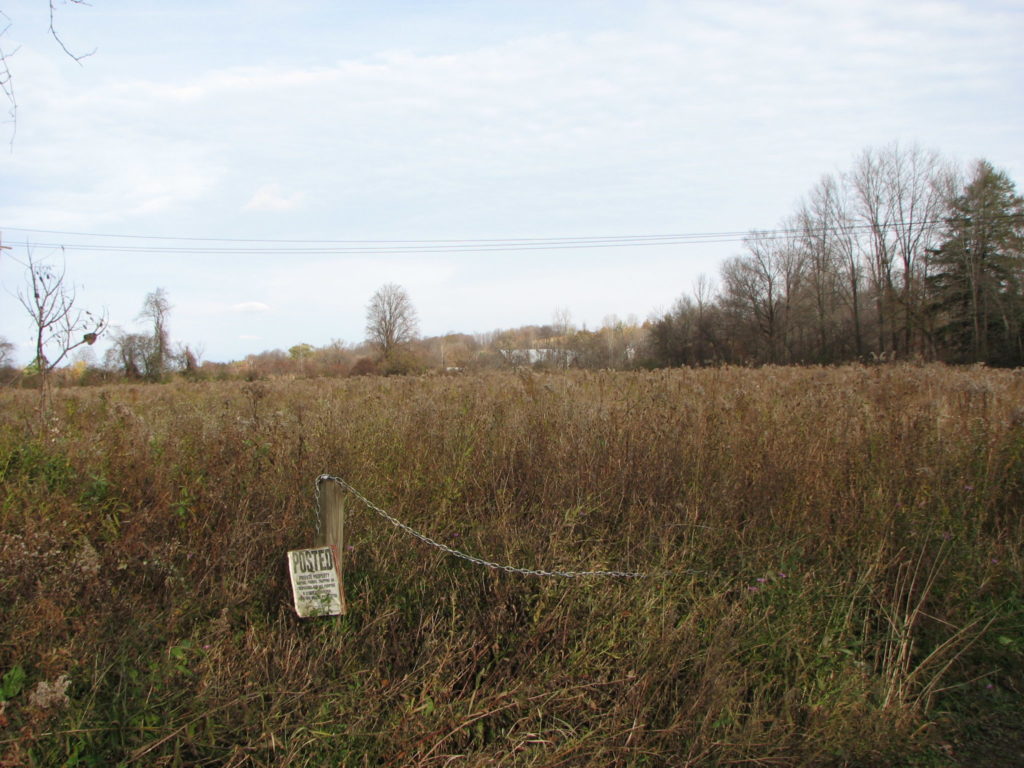
With all of his plans for our 3 acre field, there is a good swath of it that is just not going to work for a crop. It is too wet and too close to the road. Ron has talked about planting purple cone flowers there. They would attract bees and other pollinators. And we could always use more of those.
Of course his original plan has morphed. It always does. Now he wants to plant a wide variety of wild flowers, designed to attract lots of bees. This fits right into our need to have a social / environmental component to our Certified Natural Grown recertification process.
While looking into that, he stumbled across a story about Vermont farmers growing milkweed so they could sell the fluff to companies that make parkas. Yes, he got me into the researching too. I found a story about the fluff being used during World War II for the servicemen’s life jackets . School kids all across the country collected the pods and they were shipped to a central location for processing. Apparently milkweed fluff is very buoyant.
Almost everyone now knows that the Monarch butterfly depends on the milkweed for their very survival, which is why we have over a dozen of these plants growing in our own yard at home. Some butterflies have visited us over the years, but Ron now has bigger aspirations. Which brings me back to our collecting milkweed seeds.
With all of his plans for our 3 acre field, there is a good swath of it that is just not going to work for a crop. It is too wet and too close to the road. Ron has talked about planting purple cone flowers there. They would attract bees and other pollinators. And we could always use more of those.
Of course his original plan has morphed. It always does. Now he wants to plant a wide variety of wild flowers, designed to attract lots of bees. This fits right into our need to have a social / environmental component to our Certified Natural Grown recertification process.
While looking into that, he stumbled across a story about Vermont farmers growing milkweed so they could sell the fluff to companies that make parkas. Yes, he got me into the researching too. I found a story about the fluff being used during World War II for the servicemen’s life jackets . School kids all across the country collected the pods and they were shipped to a central location for processing. Apparently milkweed fluff is very buoyant.
Almost everyone now knows that the Monarch butterfly depends on the milkweed for their very survival, which is why we have over a dozen of these plants growing in our own yard at home. Some butterflies have visited us over the years, but Ron now has bigger aspirations. Which brings me back to our collecting milkweed seeds.
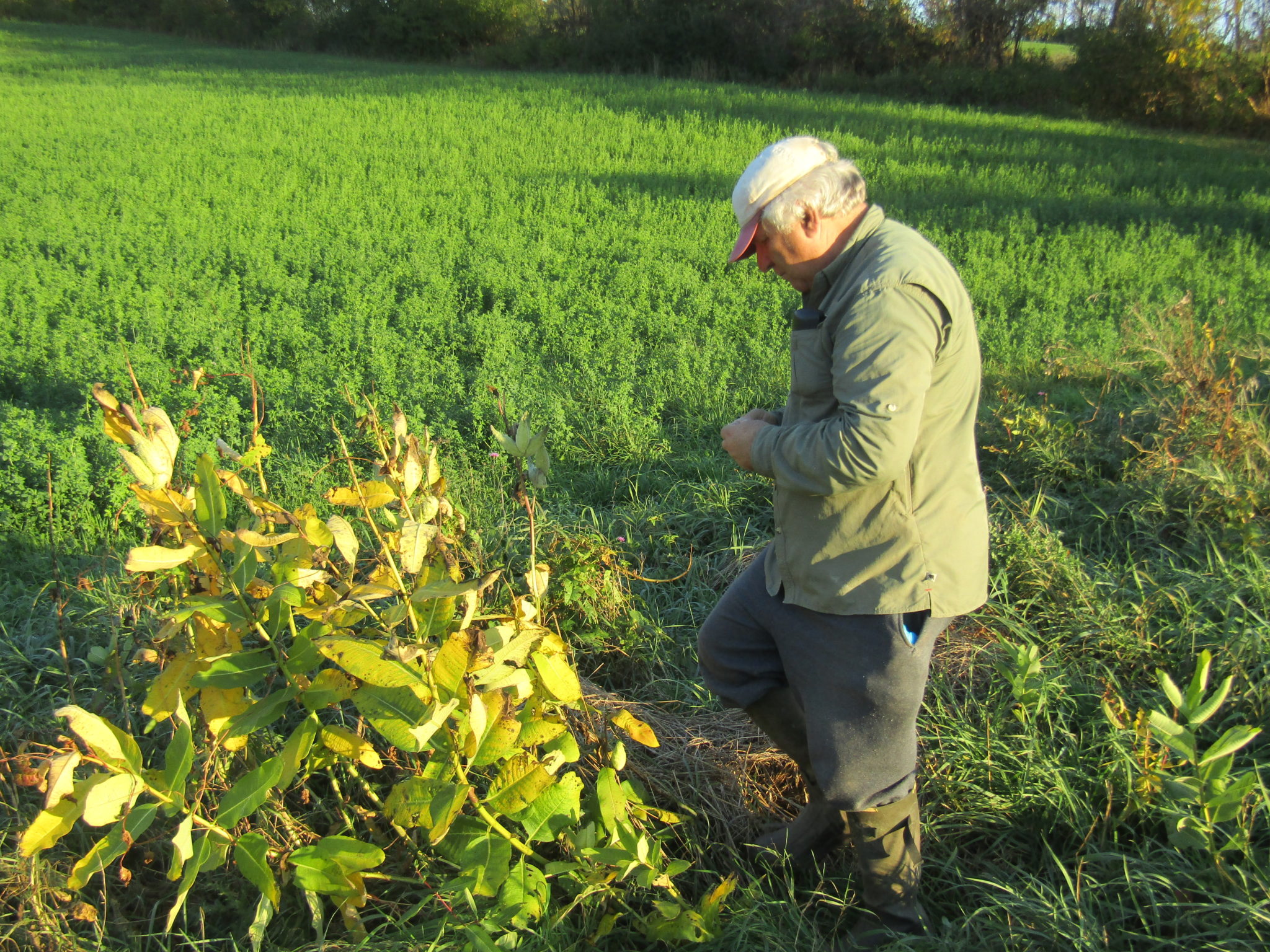 The three of us have been on alert for the last few weeks, keeping our eyes peeled for milkweed plants growing on the side of the road. They are easy to spot, having distinct leaves and, well to be honest, being pretty ugly.
If you take the drive from our house to THF and watch carefully, you will see numerous pods along the route, each wrapped with a rubber band. Though these are the ones in our front yard.
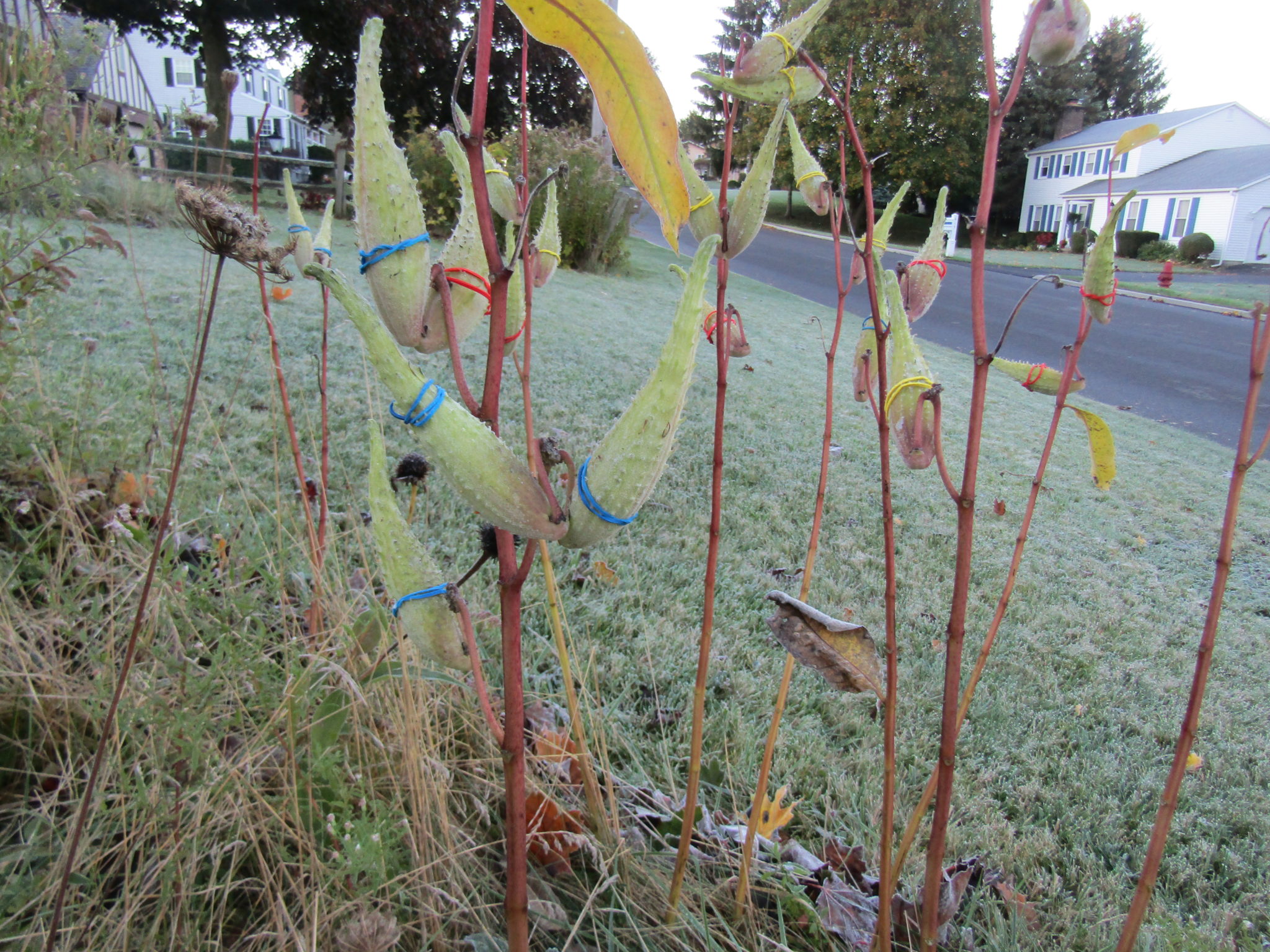
I read a few articles about collecting the seeds and this suggestion was given several times. Unless you have the plants growing in your yard and can check on them daily, there is a good chance you will miss the day the pod opens and the seeds fly. Now we wait.
Once the pods turn brown and open we will pick them. Then they go into a brown paper bag with a few coins and get shaken until most of the seeds and fluff separate. Another suggestion from the online milkweed seed collectors. I gave it a try already and it worked pretty well. Did discover that you need to work with just a few at a time. Trying to get them all done at once just doesn’t work.
Once the pods turn brown and open we will pick them. Then they go into a brown paper bag with a few coins and get shaken until most of the seeds and fluff separate. Another suggestion from the online milkweed seed collectors. I gave it a try already and it worked pretty well. Did discover that you need to work with just a few at a time. Trying to get them all done at once just doesn’t work.
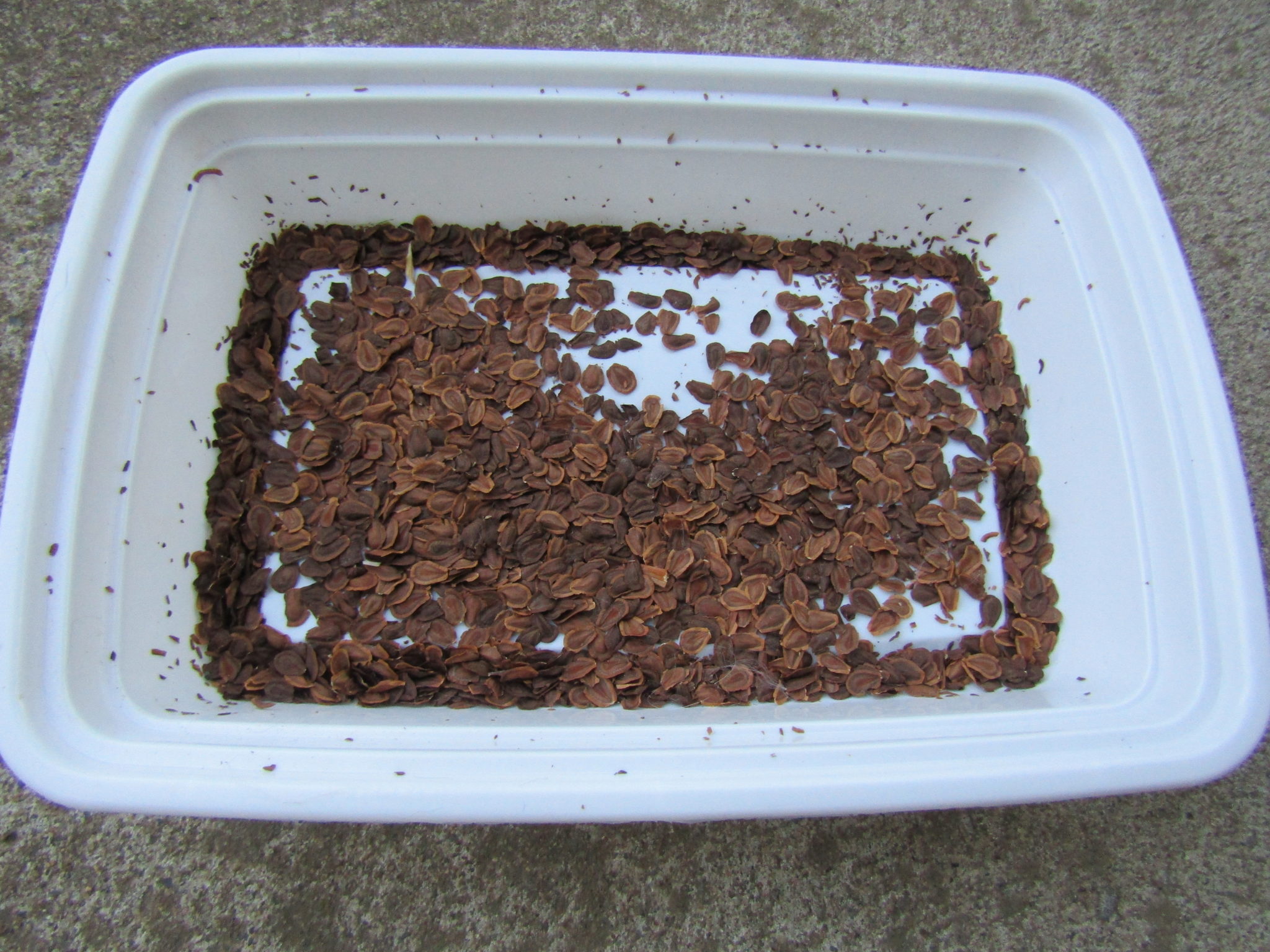
And you are left with just the seeds. Lots of them. Most of them are probably the common milkweed that is native to our area. But all the seeds are not the same. It will be lovely if we end up with at least one other variety. The one I would really like to have is the purple milkweed. That is also native but much harder to find.
Ron then placed an order with American Meadows , buying their bee and hummingbird and honey bee wildflower mixtures.
Ron then placed an order with American Meadows , buying their bee and hummingbird and honey bee wildflower mixtures.
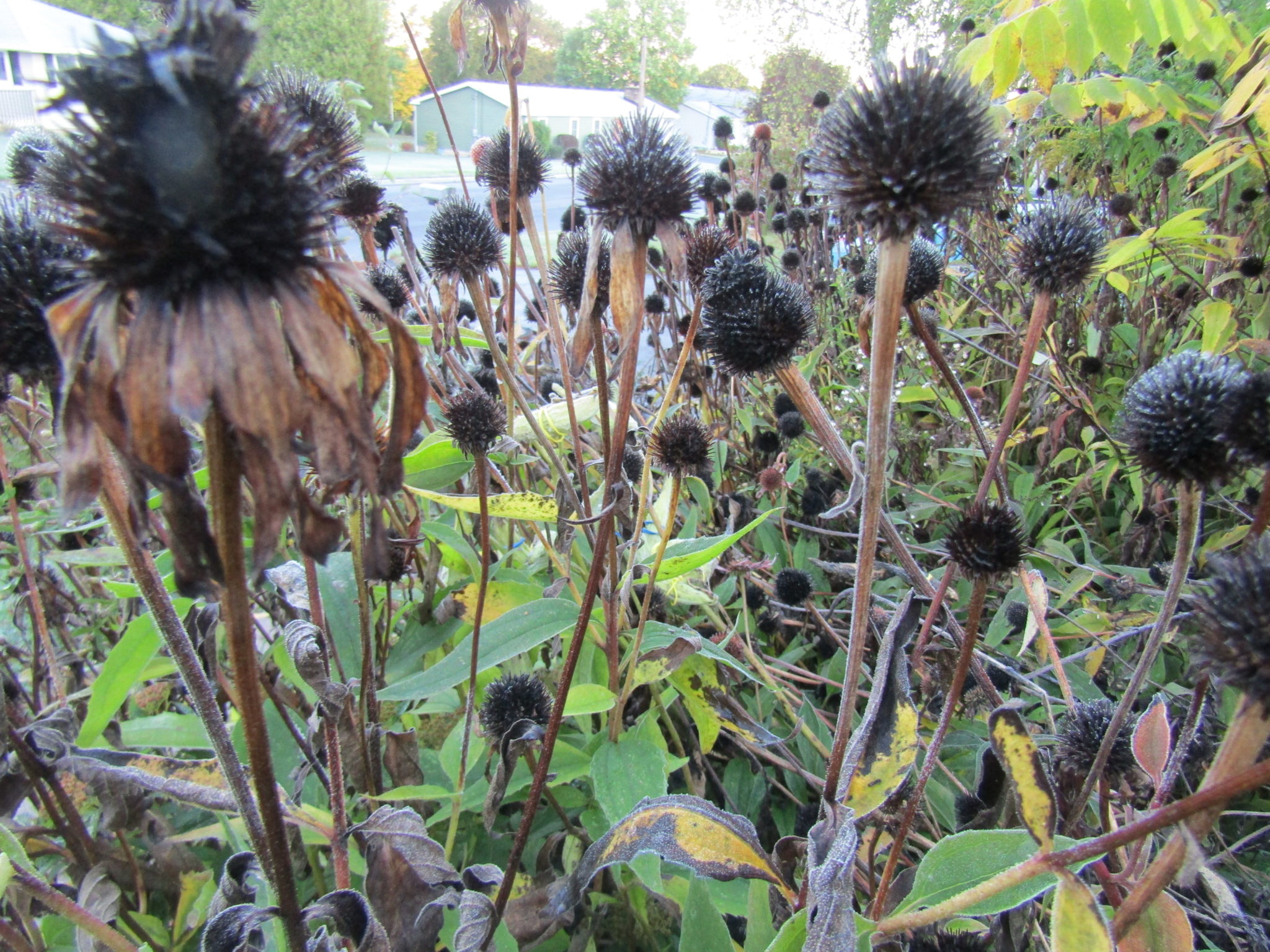 And we are gathering lots of seeds from the mass of Echinacea plants we have growing in our front yard. I really do need to thin them out a bit.
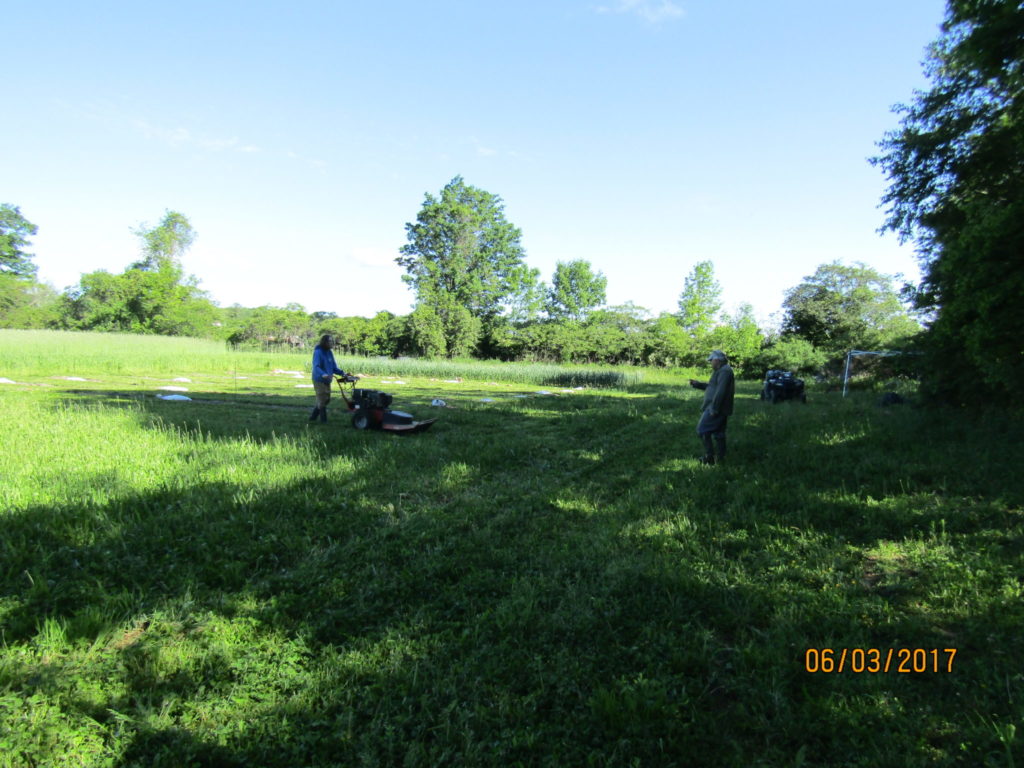
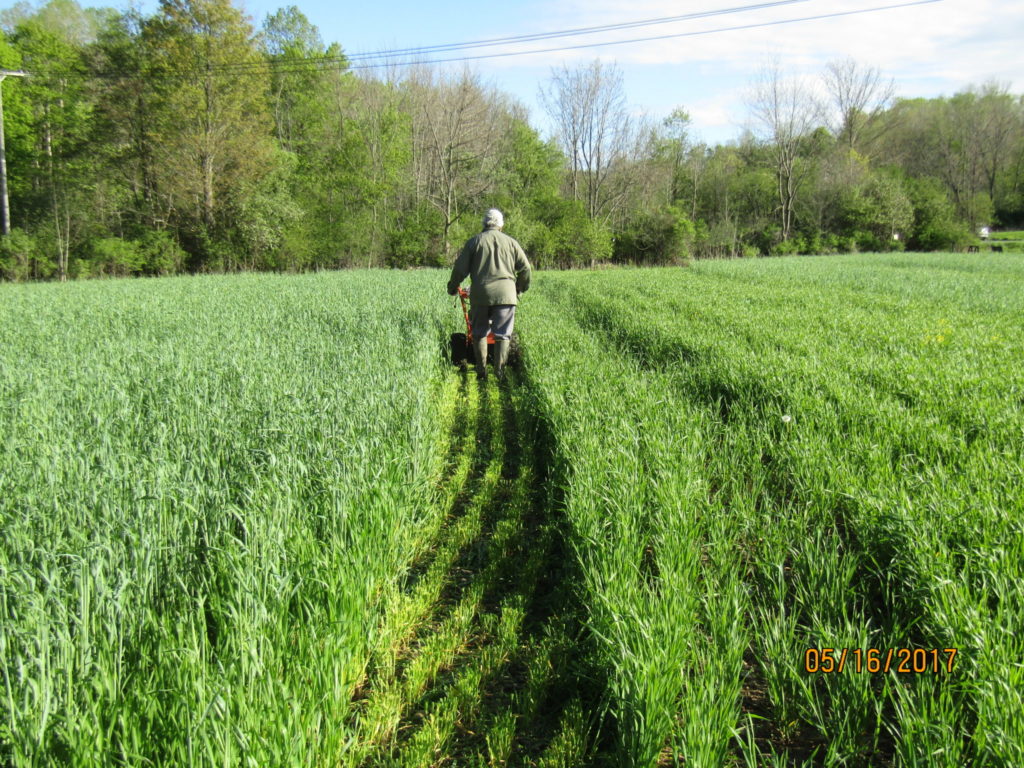
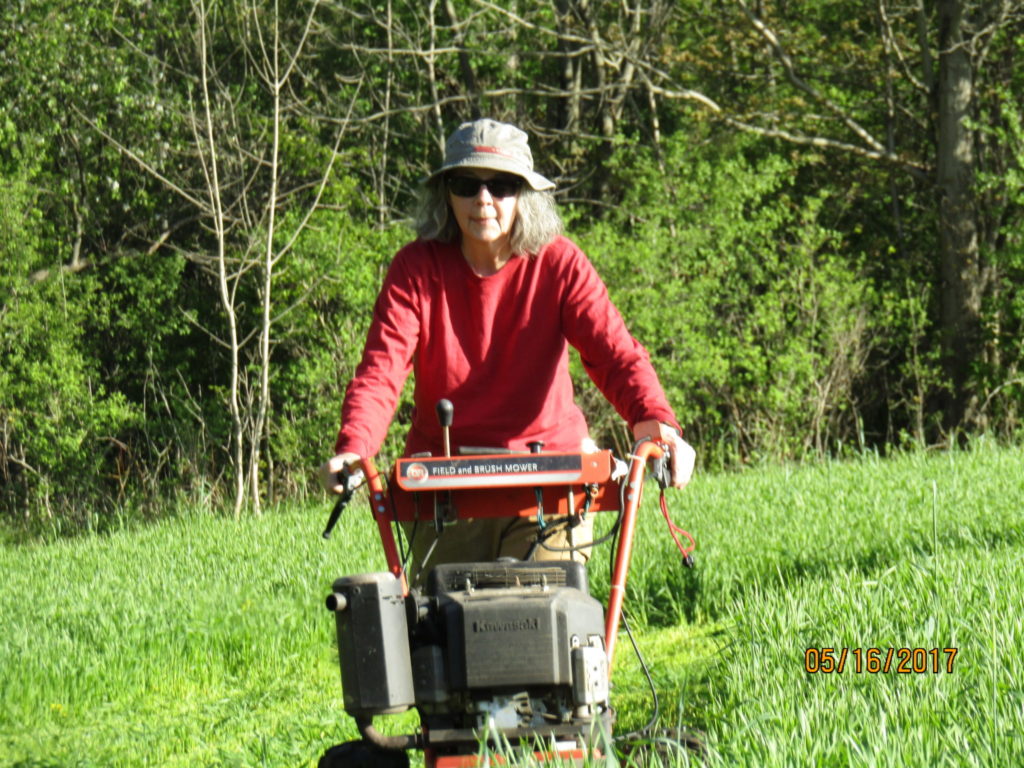
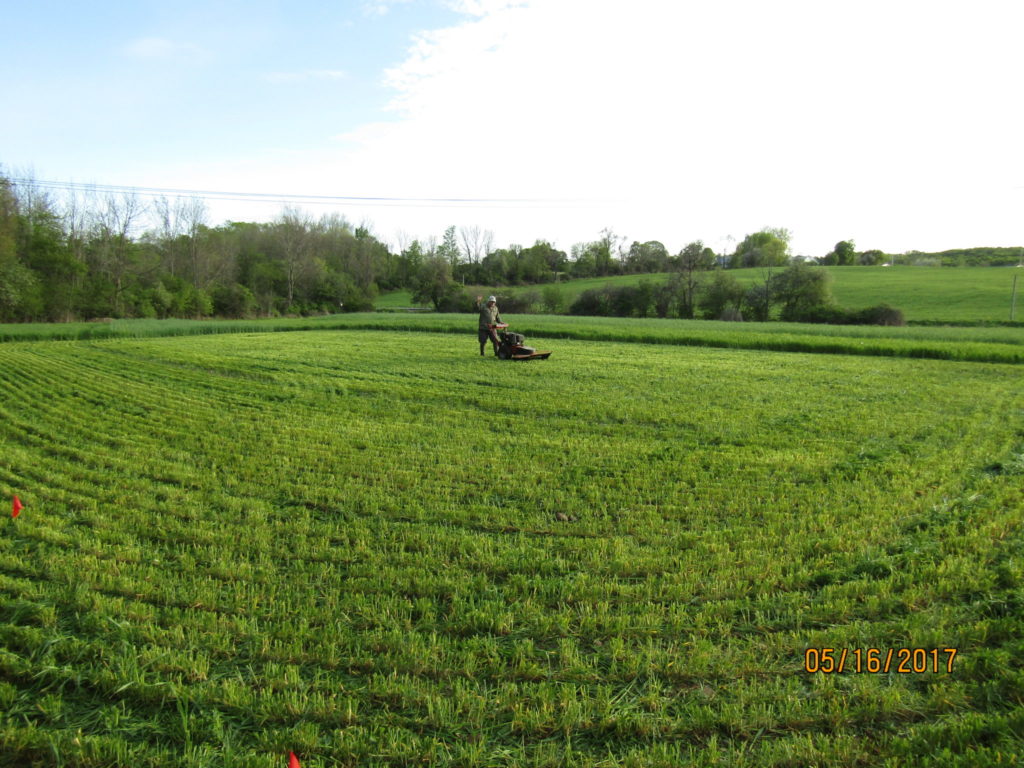
Last Saturday Jo and I got busy with the brush hog and cut down the wheat and weeds that were growing in Ron’s chosen 12′ by 200′ patch. And mowed down an area for the calendula flowers we plan to plant next spring. Ron and Don spent the same hours working on our garlic patch for next year. We had rented a large tiller again to use on our garlic and soon to be calendula areas, but it would have taken us a whole day and more to dig up the wildflower spot. Not something we really wanted to tackle. Especially as it was afternoon when we finished and it was hot. Ron had a lovely idea. And he gave our framer friend Dick a call, telling him the plan. He was hoping Dick would come out with his big machines and till up the spot for us. Dick’s machine would make quick work of it.
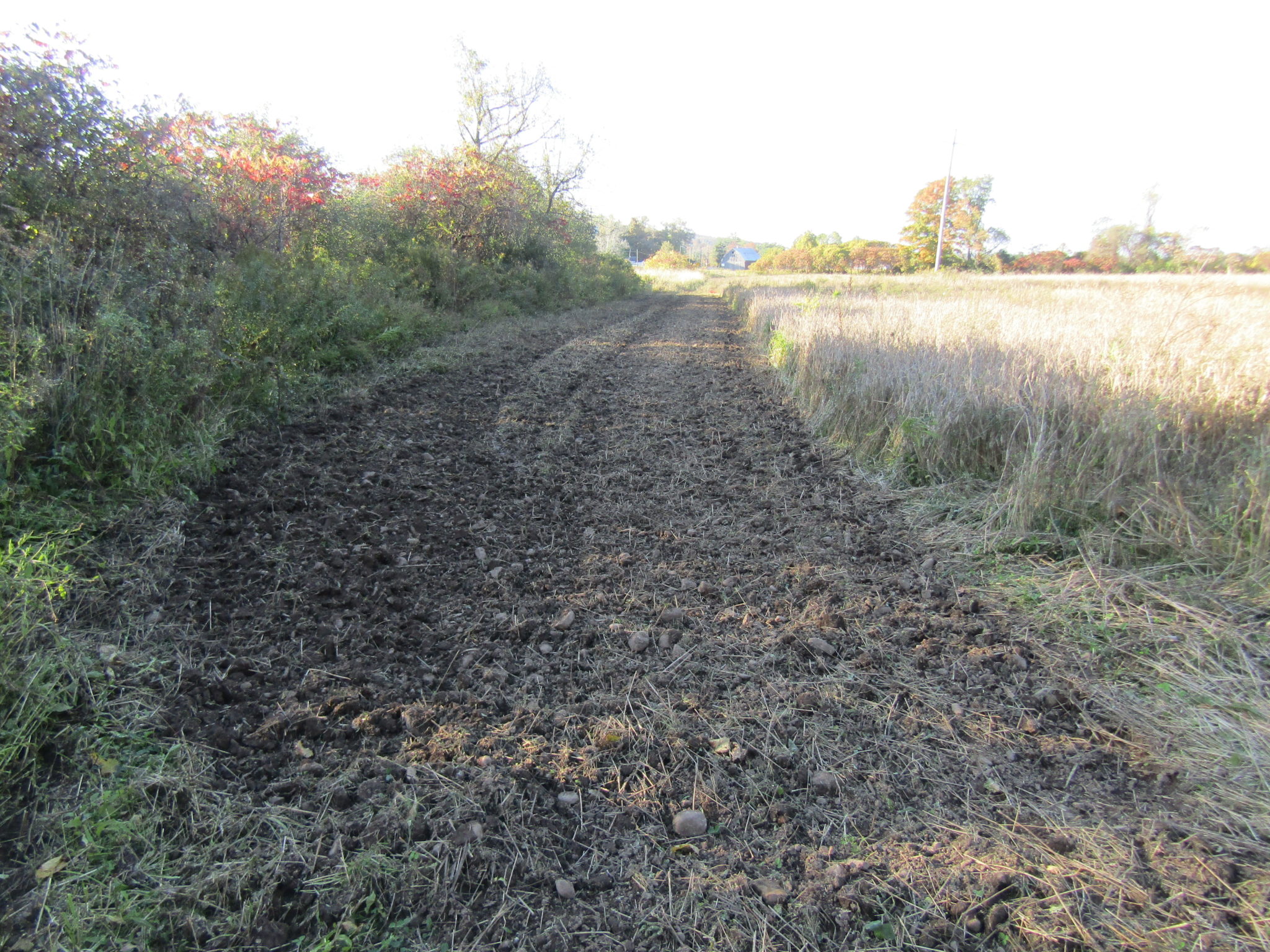 He was very interested in Ron’s plan and he had the job done the next day. He has bees on his farm and had already talked about getting a few hives out to THF. Now we will have the perfect spot for them. And with the wildflowers, elderberries, lavender and soon to be juneberries, they will have more than enough food sources. We will be planting the seeds right after the first killing frost and once more, we wait. To see what spring brings. Or what Ron comes up with next.